What is your biggest concern when purchasing a wig, hair topper, or hair extensions? Based on our customer research, the biggest concern for most customers before making a purchase is the hair fiber itself:
Is this product made of real human hair?
How can I tell them?
Has it been mixed with synthetic fibers?
We completely understand how disappointing it can feel to purchase a product with high expectations—believing it to be 100% human hair—only to later discover that it contains synthetic fibers. That sense of frustration and letdown is something no customer should have to experience. To help you avoid situations like this, we’re here to share some valuable tips that will help you confidently identify authentic, high-quality human hair products before you buy.
How to Tell if Hair is Synthetic or Human Hair?
Here are some detection methods to help you distinguish between human hair and synthetic fiber:
Texture and Shine
Human hair boasts a natural texture that sets it apart from synthetic hair. It displays subtle variations in strand thickness, slight waviness, or natural curls, depending on the individual's hair type. These unique characteristics create an authentic, organic look that closely resembles natural hair.
Synthetic hair, on the other hand, tends to have a smoother and shinier appearance. The synthetic fibers' sleekness contributes to the hair's overall luster, giving it a polished and glossy finish. Some customers think this hair type looks fake due to its unnatural shiness.
Heat Test
Human hair can withstand higher temperatures than synthetic fiber. Synthetic fibers can typically handle temperatures of up to around 120°C, whereas human hair can tolerate temperatures of up to approximately 230°C. You can use a flat iron to test a small, discreet section of the hair.
When heated, human hair does not release a harsh or irritating odor. Even if it becomes slightly scorched, the smell remains relatively natural, as human hair is made of protein. In contrast, synthetic fibers give off a strong, sharp odor similar to burning plastic when exposed to heat, which can be quite unpleasant.

Burn Test
Human hair and synthetic fiber burn differently. Take a small piece of the hair product and burn it. Human hair will turn into ashes and have a smell similar to burning feathers or barbecue. On the contrary, if the product contains synthetic fibers, it will melt into a solid form and come out with a strong chemical smell.
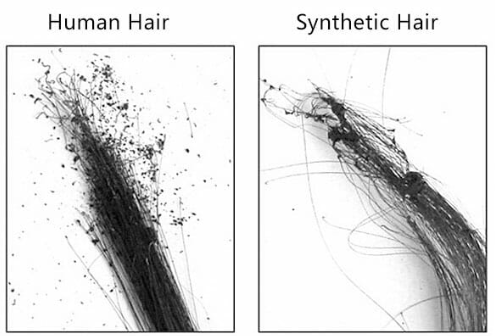
Tangle Test
Synthetic hair tends to tangle more easily than real human hair. To test for tangles, run your fingers through your hair and if it tangles easily, it's most likely synthetic. When you get a wig with very long hair, if you comb the hair with your fingers, you may find that the ends of the hair cannot be combed. Such products are more likely to be synthetic fiber wigs.
Water Test
A water test is another way to identify human hair from synthetic fiber hair. Wet the hair and run your fingers through it. Human hair will feel soft and smooth, whereas synthetic fiber hair will feel rough and coarse.
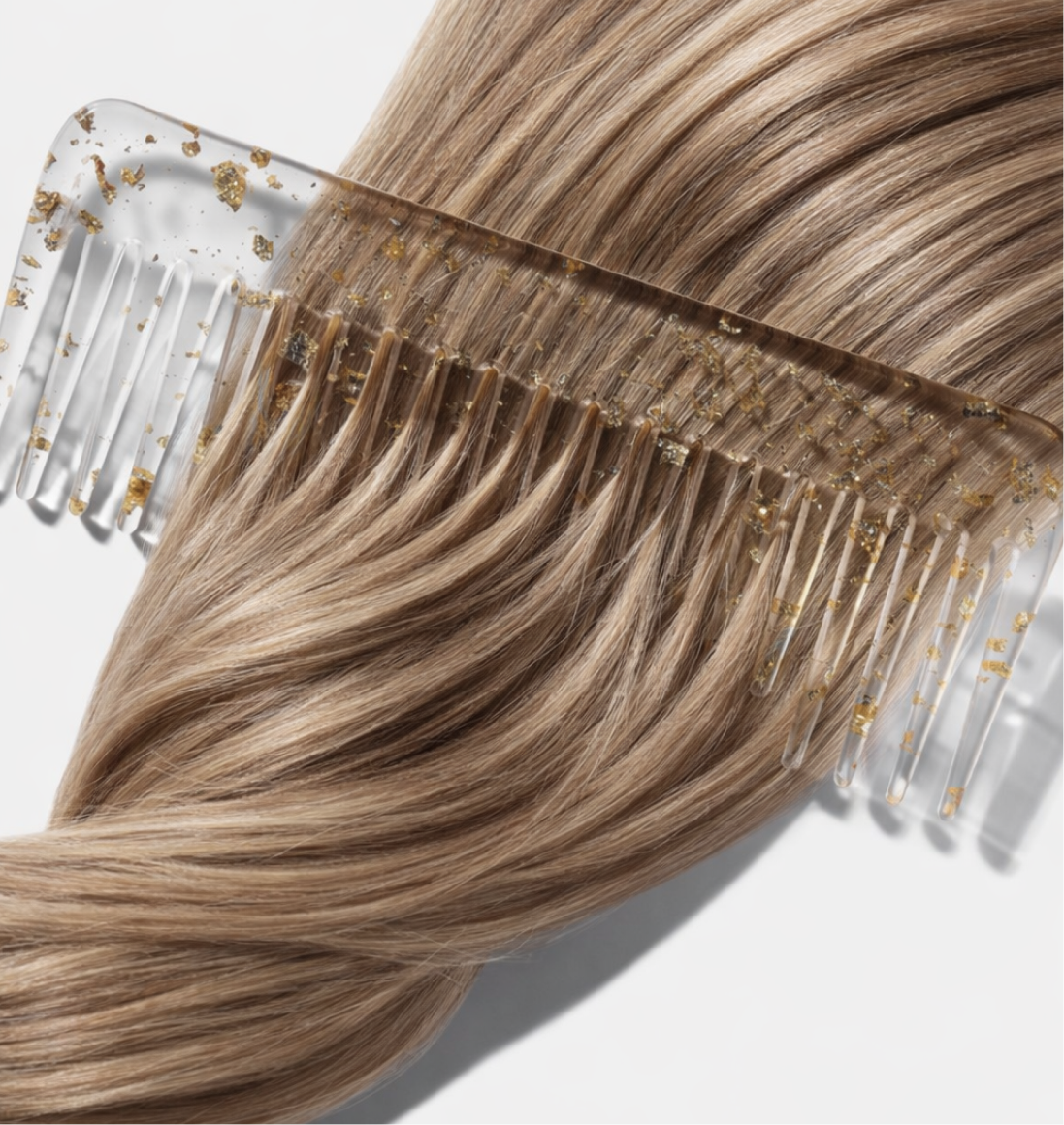
If the wig you purchase is made from 100% a single fiber, you can quickly determine whether it is made of human hair or synthetic fiber using the techniques above.
However, if a seller blends human hair with synthetic fibers, it becomes much more difficult to tell the difference. Don’t worry—there are still reliable ways to identify the materials used.
How Can You Tell If Synthetic Fibers Have been Mixed Into a Human Hair Product?
Human hair can absorb permanent hair dye because it is made of protein, while synthetic fibers cannot.
Dyeing Test
Take a small, discreet section of the hair and apply a regular human hair dye. If the hair colors evenly, it is likely 100% human hair. If some strands do not absorb the dye or remain noticeably lighter, this usually indicates that synthetic fibers have been mixed in.
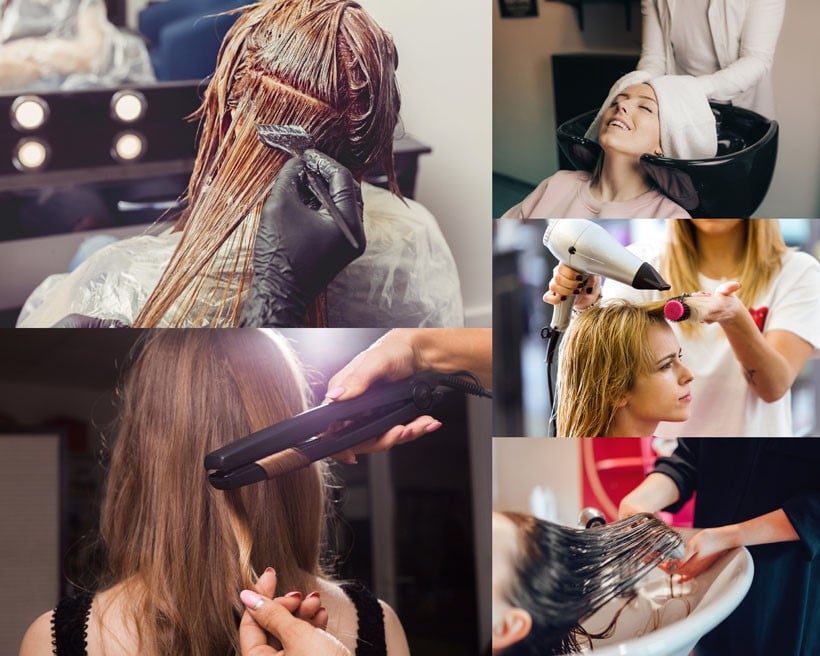
What Should You be Mindful of When Dyeing?
It is important to note that you should never perform a dye test on all of your hair; instead, select only a single, inconspicuous strand.
Some human hair products have been previously dyed, making it challenging to obtain effective results when dying them again. Particularly, bleaching the hair can cause damage and prevent it from becoming lighter. If you intend to dye your human hair pieces, we recommend dyeing a lighter color to a darker color.
Additionally, the hair used in the product frequently originates from various donors, and each individual's hair has distinct characteristics. Consequently, some hair may possess a finer texture than others. Therefore, it may take longer to obtain the desired hair color when dying. We recommend selecting one of our lighter blonde hues, such as #613 platinum blonde, as they tend to take color well.
Conclusion
Choosing a wig, hair topper, or hair extensions made from genuine human hair shouldn’t feel like a gamble. By understanding how human hair and synthetic fibers react to heat, burning, and dyeing, you can make more informed decisions and avoid unpleasant surprises.
We hope these simple tests help you feel more confident when evaluating hair products—especially when authenticity and quality matter most. When in doubt, always test a small, discreet section and choose brands that are transparent about their materials and sourcing. After all, you deserve a product that looks natural, feels real, and truly lives up to your expectations.
l Human Hair Toppers
l Human Hair Wigs
l Synthetic Wigs






 1,591
1,591
Comments
Welcome Back!
Forgot your password?