

Wig Hacks Keep Your Wig Secure Under Hats & Masks
 January 16, 2026
Human Hair Wigs 101
Views: 1728
January 16, 2026
Human Hair Wigs 101
Views: 1728
Winter is here, and wearing your wig under hats, scarves, and masks can feel tricky.
Not because it’s impossible, but because winter adds friction in places people don’t always expect. Fabrics rub differently, indoor air feels drier, and layers come on and off throughout the day. All of that affects how a wig behaves. The good news is that winter wig issues are manageable once you understand where problems actually start.
What are the best wig grips for winter to prevent slipping under hats?
Wig grips are especially useful in winter because cold-weather accessories add pressure and friction around the head. Hats, scarves, and coat collars shift as you move, and a well-fitted grip helps stabilize the wig without adhesives, keeping it secure and comfortable even when layers are constantly adjusted.
In real winter use, wigs rarely slide all at once. They move gradually. You adjust a scarf, step indoors, take off a hat, put it back on. Each small movement pulls slightly at the wig base. Over time, those micro-shifts add up. A grip doesn’t stop movement completely, but it absorbs most of it before the wig itself is affected.
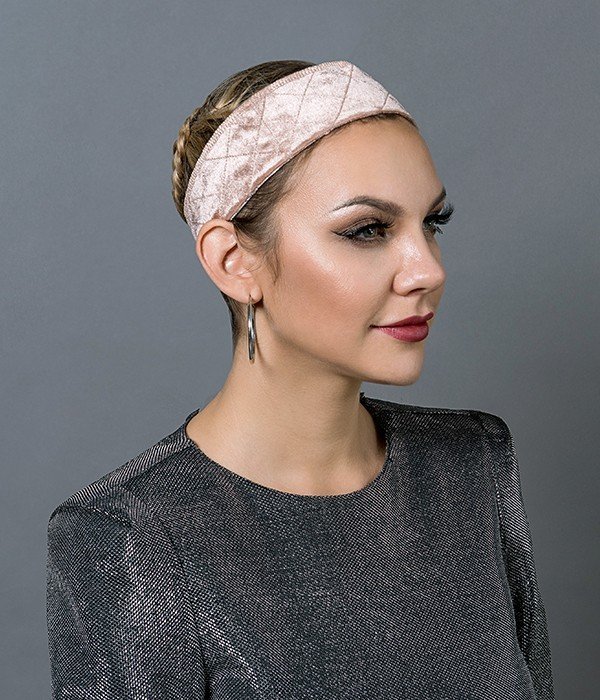
Winter Wig Grip Options
| Grip Type | Best For | Comfort | Notes |
| Velvet Wig Grip Band | Everyday wear | ⭐⭐⭐ | Soft, classic, holds wigs without glue. |
| Silicone Gripper Bands | Active days | ⭐⭐ | Strong grip, low bulk, great for tight hats. |
| Mesh Grip Caps | Sensitive scalp | ⭐⭐⭐⭐ | Breathable, secure, low irritation. |
| Adjustable Grip Cap | All-around use | ⭐⭐⭐⭐ | Velcro or silicone strips for extra hold. |
silicon-wig-grip-band
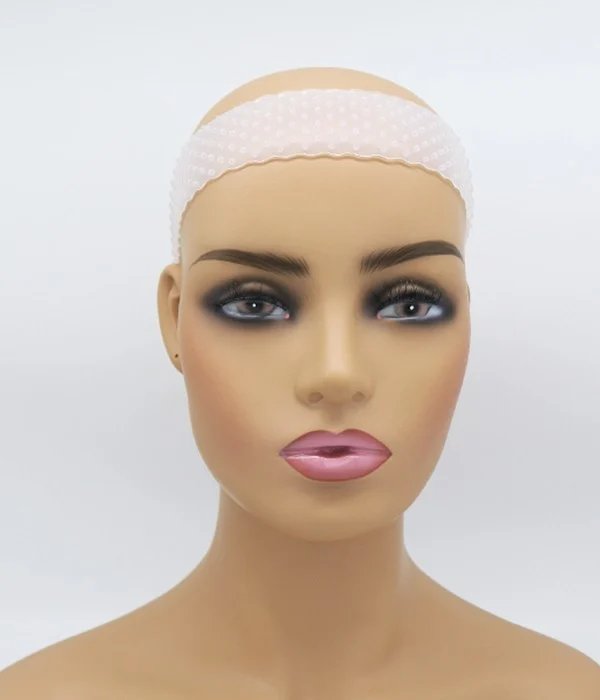
Things winter wearers learn quickly:
Thick hats usually overpower basic grips.
Outdoor walking needs more hold than indoor wear.
Daily adjustment matters more in winter than any other season.
How can I prevent static in my wig during cold weather?
Static becomes more apparent during winter because, for a given mass of air, it contains very little moisture, and when it’s heated, it dries even more. As a result, when the hairs on a wig rub against hats, scarves, or coats, static electricity develops, leading to flyaways and an unnatural look that’s hard to control.
Static often appears suddenly. A wig may look fine outdoors, then immediately feel charged once you step inside. That’s why prevention matters more than fixing it afterward.
4 Ways to Reduce Static
A light anti-static spray used before wearing helps neutralize charge before it builds. The key is restraint—too much product makes hair dull.
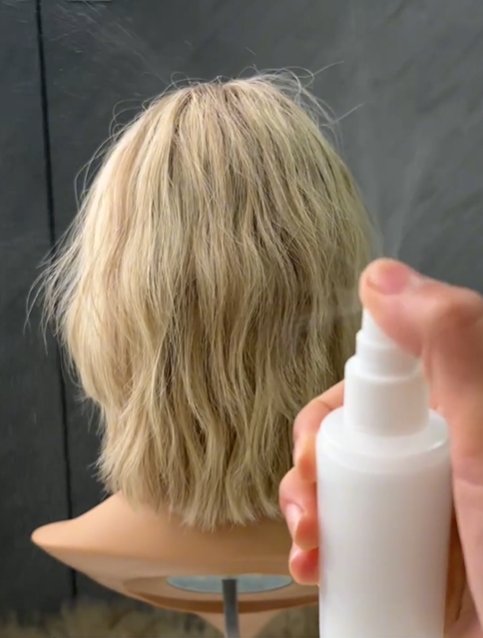
The use of satin or silk between you and winter accessories can reduce friction further than you expect. Wearing a satin-lined hat may help you discover how differently a wig sits on you.
A small amount of leave-in conditioner is used to treat the hair and make it resistant to static. This is particularly useful for wigs made of human hair.
Consistent moisture care matters. Dry fibers always create more static, regardless of wig type.
One practical habit: avoid rubbing your wig with dry hands or textured fabrics. Smooth movements make a noticeable difference.
Can I wear a wig cap when wearing a beanie without damaging my wig?
Yes. On the contrary, the use of the wig cap with the beanie is usually an effective protection measure for the wig. This is because the wig cap makes the surface smooth, hence preventing the pressure exerted by the winter hats from compressing the wig unevenly.
Without a cap, beanies tend to press directly on the wig fibers, especially at the crown and sides. Over time, this can flatten styles or cause uneven wear.
Best practices:
Breathable mesh caps are better for people who feel overheated indoors. Satin-lined caps are ideal when friction control is the priority.
Avoid caps that are overly tight or made from rough elastic. Tightness matters more in winter because pressure builds from multiple layers.
Always smooth the cap completely before placing the wig. Small wrinkles become pressure points once a hat goes on.
What hairstyles work best for wearing wigs under winter scarves or masks?
Winter accessories are positioned near a person’s head and neck area, and this can make it difficult to maintain big hairdos when they are bulky in nature. The volume of the hairdo causes it to flatten when winter accessories are placed on the head.
Lower-profile styles generally last longer and need fewer adjustments throughout the day.
Straight or smooth styles layer easily and hold shape well. Bob and shoulder-length wigs avoid excess hair getting caught under scarves. Loose waves work if volume stays controlled rather than concentrated at the crown.
In winter, less bulk usually means more consistency.
How do I keep my wig from sliding when wearing a face mask?
Face masks create repeated tension around the ears and cheeks, which can gradually pull on a wig during long wear. Even a secure wig may shift slightly after hours of mask movement.
This is less about poor fit and more about constant, low-level pressure.
Using a grip as a base helps stabilize the wig. Mask extenders move tension away from the ears. Small combs sewn inside the cap add support without being visible.
Keeping mask straps from rubbing directly against the wig edge prevents cumulative movement.
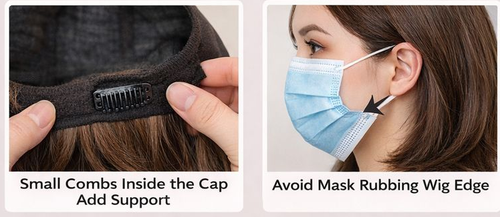
Are there specific wigs designed for winter wear or layering under hats?
Most wigs can be worn year-round, but winter highlights differences in construction. Density, breathability, and crown shape matter more once hats and scarves are involved.
Very heavy wigs may feel warm and bulky indoors, even if they look fine outdoors.
Medium-density wigs usually balance warmth and comfort better. Breathable caps reduce scalp discomfort. Smooth crowns help hats sit flat without shifting.
Glueless wigs paired with grips are practical for frequent layering, while lace front wigs tend to feel lighter under pressure.
Should I adjust my wig size or style for cold weather?
Yes. Winter layers change how pressure is distributed around the head. A wig that fits perfectly in summer may feel tight or unstable once hats and scarves are added.
Slight adjustments often solve this.
Some people prefer a slightly looser fit paired with a grip. Sleeker styles reduce bulk. Adjustable caps allow daily fine-tuning depending on accessories.
Comfort improves when fit can adapt rather than stay fixed.
Tips for wearing wigs comfortably all day in winter
Winter comfort comes from habits, not a single product.
Soft caps, breathable grips, gentle detangling, and short indoor breaks all help. Light styling products work better than stiff ones. Carrying a small anti-static mist saves frustration.
Fabric choice matters more than expected. Smooth scarves and coats reduce friction. Avoid pressing heavy layers directly on the crown.
Small choices add up over a full day.
How to protect synthetic vs. human hair wigs under hats and scarves
Human hair wigs lose moisture quickly in winter and need regular hydration. Synthetic wigs are less affected by dryness but more prone to static and friction.
Each fiber type responds differently.
| Fiber Type | Winter Concern | Protection Tips |
| Human Hair | Dryness, static, moisture loss | Use leave-in conditioner; avoid rough cotton hats directly on fibers |
| Synthetic | Static buildup, frizz | Use anti-static spray; layer with satin lining under hats |
| Fiber Type | Winter Concern | Protection Tips |
Key takeaway: hydrate human hair consistently, and focus on static control and smooth barriers for synthetic wigs.
Final Thoughts
Winter doesn’t have to make wig wearing complicated. With realistic expectations, proper grips, protective layers, and small daily adjustments, wigs can stay secure and natural even under hats, scarves, and masks. Managing friction, moisture, and fit makes winter wear far easier—and far more comfortable.
And if you’re refreshing your winter look or browsing wigs near me, now is the perfect time to prepare for the season in style.
Frosty Outside, Fabulous Inside!WINTER SALE is on ! 20% OFF!
SHARE:



Popular Posts
-
Alopecia Myth vs Fact: Breaking Common Misconceptions About Hair...
![]() 498
498 -
What Is Alopecia? Beginner FAQ Guide to Types, Causes, Signs &...
![]() 476
476 -
When Alopecia Changes: How to Update Your Hair System as Hair Loss...
![]() 360
360 -
UniWigs New Jersey Pop-Up Event: Discover Your Perfect Hair Look in...
![]() 243
243 -
What Are the Best Wigs for Women With Complete Hair Loss?
![]() 218
218
 498
498 Writers Cooperation:
UniWigs are seeking for blog contributors who know and love hair. If you know alternative hair or hair related accessories, if you have great understanding of hair trends and fashion, if you are expert in hair care, if you have any experience with salons or celebrities, if you would like to share your experience to help people just like you make the right choice, now contact us at [email protected] to be a blog contributor. Let’s discuss the details then.
Comments
Welcome Back!
Forgot your password?