

Several Steps to Make Your Glueless Wig Stay on
 June 25, 2024
Human Hair Wigs 101
Views: 8324
June 25, 2024
Human Hair Wigs 101
Views: 8324
What is a glueless wig and how does it work?
Glueless wigs seem pretty straightforward at first. They are made to go on without any glue or tape sticking things down. You just use these things built right into the cap, like straps you can adjust, or elastic bands, and then combs and clips that grab onto your hair. Many modern natural hair wigs are designed this way because they feel lighter, easier to wear, and more beginner-friendly for daily use.
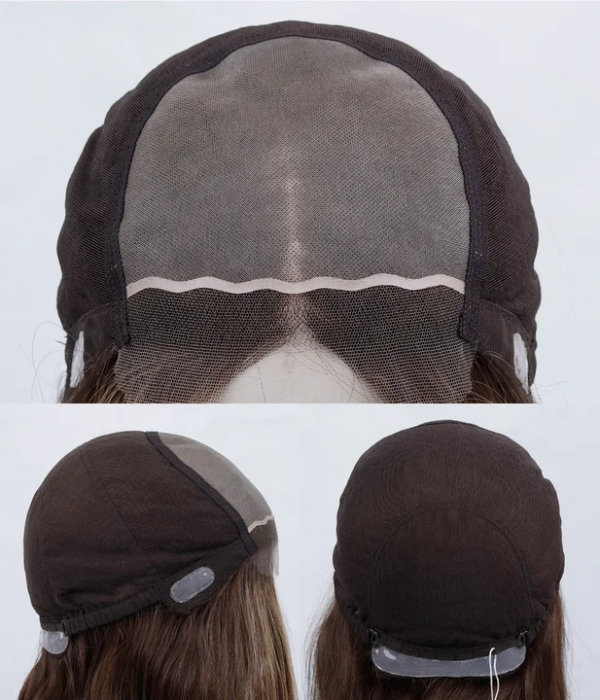
Why does my glueless wig keep slipping?
It's the main question of many users. Indeed, in 99% of cases, slipping occurs not because of some flaw of the wig itself, but due to the improper preparation for wearing and an incorrect choice of the wig size.
Here are the main reasons:
Hair is not flattened properly under the cap
Wig straps are not adjusted tight enough
Wrong cap size is chosen
No wig grip or band is used for extra support
Natural hair is too silky or too short for clips to hold
| Cause | Effect | Fix |
|---|---|---|
| Loose straps | Wig moves during walking | Tighten adjustable band |
| Bulky hair | Wig feels raised | Braid or flatten hair |
| No grip | Wig slides back | Use wig grip band |
| Wrong size | Uneven pressure | Choose correct cap size |
How do you prepare your hair so a glueless wig stays on?
Preparation comes first. Most stability issues appear even before the wig is placed on the head.
Follow these steps:
1. Flatten your hair completely
Braid it or wrap it flat against your scalp.
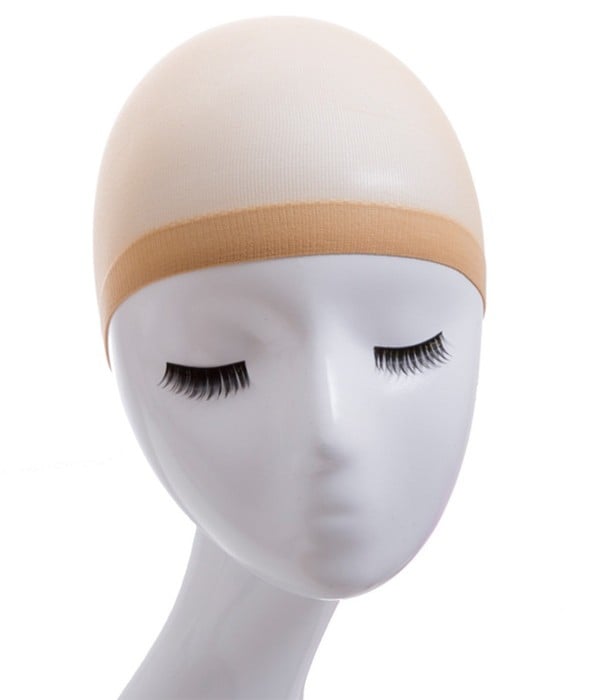
2. Use a wig cap
A ventilated cap will hold everything tightly.
3. Ensure your hair is dry.
Water decreases the adhesion and causes slipping.
4. Align your natural hairline
This helps the wig sit in the right position naturally.
A properly prepared base can improve wig stability by up to 60–70% compared to no preparation.
How do wig caps and straps improve wig security?
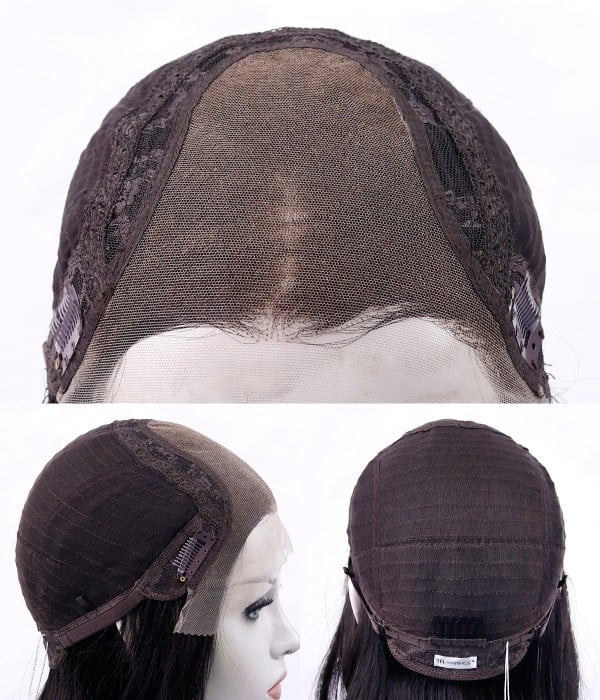
Wig caps and internal straps are the “hidden system” that keeps a glueless wig stable.
Inside most high quality wigs like those from UniWigs, you will usually find:
Adjustable elastic straps (tighten fit)
Silicone or elastic grip bands (anti-slip support)
Combs or clips (anchor into hair)
Breathable cap structure (comfort + stability)
These parts work together like a “seatbelt system” for your head.

Do wig grips, bands, or clips really make a difference?
Yes, they do. especially for beginners or people with fine or silky hair.
Here is a quick comparison:
| Tool | Function | Stability Impact |
|---|---|---|
| Wig grip band | Anti-slip friction | High |
| Adjustable strap | Tightens fit | High |
| Combs/clips | Anchors wig | Medium–High |
| Wig cap | Smooth base layer | Medium |
Adding just one wig grip band to the hair under the wig significantly enhances its hold right now.
Step-by-step: How do you make a glueless wig stay on?
Step 1: Get ready your natural hair
Make your natural hair flat or create a tight braid on it.
Step 2: Put on wig cap
Ensure it sits evenly without wrinkles.
Step 3: Adjust straps inside wig
Match wig size to your head before placing it on.
Step 4: Position wig correctly
Align lace or front hairline with your natural hairline.
Step 5: Secure combs or clips
Slide them gently into your hair for anchoring.
Step 6: Press and adjust
Make sure edges feel even and not too tight.
Step 7: Final styling
Blend baby hairs or parting for natural finish.
What mistakes make a glueless wig fall off?
Many users think the wig is “not good,” but the issue is usually technique.
Common mistakes include:
Wearing wig without adjusting straps
Skipping wig cap
Placing wig too far back or forward
Not using combs properly
Choosing wrong cap size
Applying wig on oily or sweaty scalp
Even small mistakes can reduce hold by 30–50%.
Can you wear a glueless wig all day safely?
Yes, most glueless wigs are designed for full-day wear. However, comfort depends on fit and airflow.
On average:
Lightweight caps = 8–12 hours comfortable wear
Properly fitted wigs = less scalp pressure
Breathable materials = reduced heat buildup
If you feel tightness or headaches, it usually means the straps are too tight or the cap size is incorrect.
What extra accessories help glueless wigs stay secure?
If you want extra confidence during movement, workouts, or windy weather, you can add:
Wig grip band (best all-round support)
Elastic adjustable band (internal fixation)
Silicone wig liner (antislip base)
Light bobby pins (temporary fixation)
These items are optional but greatly help achieve stability in movement.
Final thoughts: Why glueless wigs are still worth it
Glueless wigs gained popularity due to their comfortable and flexible usage. Although they require proper preparation and won't stay in place if worn improperly, they eliminate any unnecessary procedures and irritations caused by gluing.
If you adhere to proper hair preparation, appropriate strap adjustment, and the use of minimal accessories, you will have no problem enjoying a comfortable and secure fit.
In conclusion, the solution is not glue. It’s fit + preparation + structure working together.
SHARE:



Popular Posts
 2,148
2,148 Writers Cooperation:
UniWigs are seeking for blog contributors who know and love hair. If you know alternative hair or hair related accessories, if you have great understanding of hair trends and fashion, if you are expert in hair care, if you have any experience with salons or celebrities, if you would like to share your experience to help people just like you make the right choice, now contact us at [email protected] to be a blog contributor. Let’s discuss the details then.



Comments
Welcome Back!
Forgot your password?