


August is National Hair Loss Awareness Month. During this month, we would like to take this opportunity to provide the public with a deeper understanding of hair loss — what it really is, how it affects people’s lives, and what solutions are available. Our goal is to help more people face hair loss with confidence and find ways to overcome the challenges it brings.
What is Hair Loss?
According to research from dermatology organizations and hair loss studies:
- Approximately 30 million women in the United States experience noticeable hair loss or thinning.
- Around 40% of women begin to notice visible signs of hair loss by the age of 40.
- By the age of 70, more than half of women will experience some degree of hair thinning.
Unlike men, who often experience a receding hairline or bald spots on the crown, female hair loss is more commonly seen as:
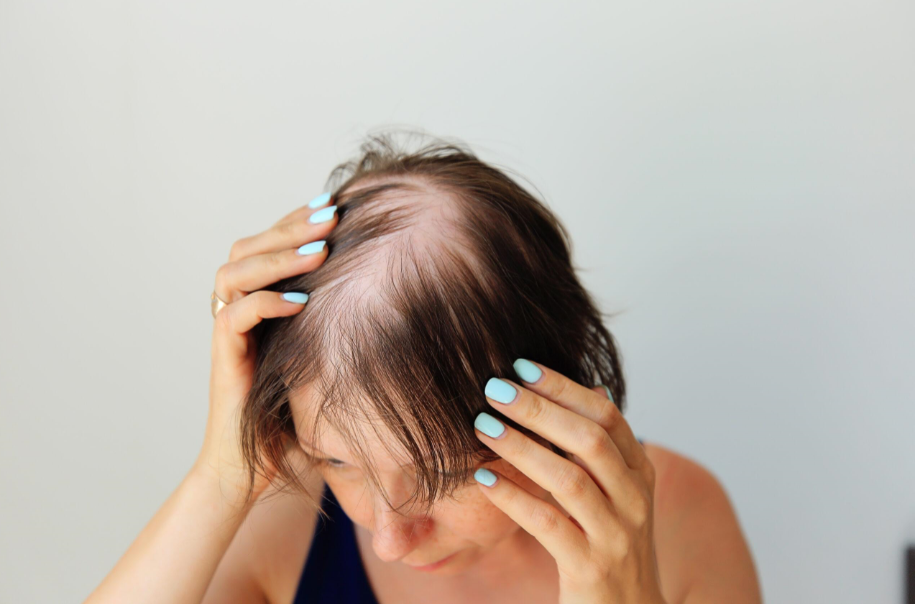
- A widening hair part
- Reduced hair density on the crown
- A thinner ponytail
- More visible scalp
- Overall reduced hair volume
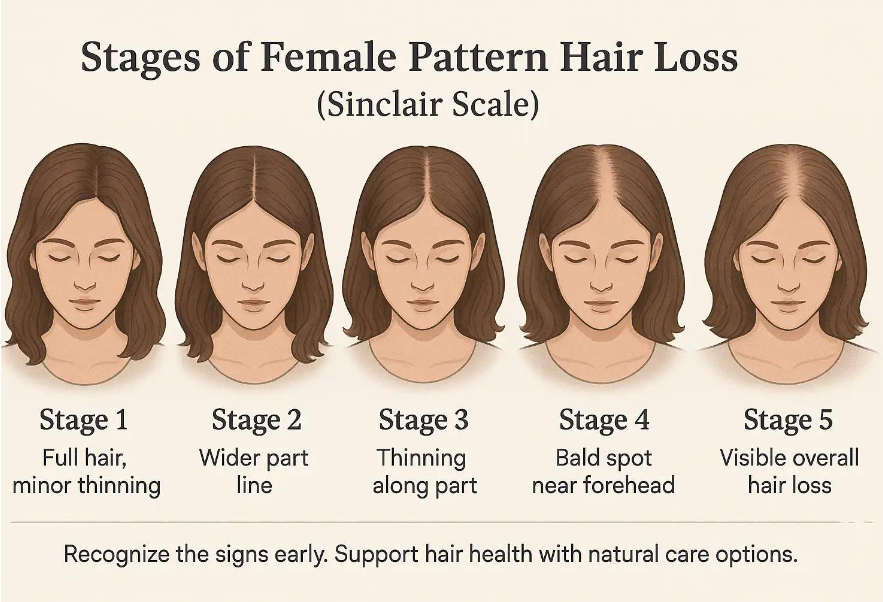
Androgenetic Alopecia
The most common type of hair loss among women in the United States is Androgenetic Alopecia, also known as Female Pattern Hair Loss (FPHL).
It is related to genetic factors and hormonal changes.
Common signs include:
- Gradual thinning around the crown area
- A widening middle part
- The frontal hairline usually remains intact, although some women may experience thinning around the front hairline.
- Hair becoming thinner and softer overall.
Because this type of hair loss develops gradually, many women may not realize they are experiencing hair loss in the early stages.
Telogen Effluvium
Modern women often experience various sources of stress, including work pressure, parenting responsibilities, lack of , and anxiety.
When stress accumulates to a certain level, it can disrupt the hair growth cycle, causing a large number of hairs to enter the telogen phase (resting phase) prematurely. This can lead to noticeable shedding, a condition known as Telogen Effluvium.
A key characteristic of Telogen Effluvium is sudden and excessive hair shedding.
In addition, major life stages such as pregnancy, childbirth, and menopause involve rapid hormonal changes, which may also trigger Telogen Effluvium. Hair loss caused by Telogen Effluvium often appears several months after the triggering event.
Alopecia Areata
This type of hair loss is characterized by the appearance of round patches of hair loss.
It occurs when the immune system mistakenly attacks hair follicles, causing localized hair loss.
Traction Alopecia
Traction Alopecia is caused by prolonged pulling or tension on the hair, such as:
- Tight hairstyles
- Hair extensions that create pulling pressure
This is one of the most preventable and manageable types of hair loss, as reducing the tension and changing hair habits can help prevent further damage.
The Emotional Impact of Hair Loss
Hair loss is not only a physical change but also an emotional experience that can deeply affect a person’s confidence and overall well-being. For many women, hair is closely connected to identity, beauty, and self-expression, so noticeable thinning or hair loss can lead to feelings of frustration, embarrassment, anxiety, and loss of confidence.
Some people may avoid social activities, spend more time hiding their hair, or feel uncomfortable in everyday situations. The emotional impact of hair loss is often overlooked, but understanding and addressing these feelings is an important part of finding the right solution.
Whether through treatment, lifestyle changes, or hair restoration options, can help many individuals feel more confident and comfortable in their daily lives.
How to Manage Hair Loss
Managing hair loss often requires a personalized approach based on the underlying cause, hair condition, and individual needs. Depending on the type and severity of hair loss, available options may include:
● Medical treatments
● Hair restoration procedures
● Low-Level Laser Therapy (LLLT) devices
In addition to professional options, maintaining healthy daily habits can also support overall hair and scalp health, including:
● Maintaining a balanced diet with enough protein and calories.
Hair is primarily made of keratin, a type of protein, so adequate protein intake plays an important role in maintaining healthy hair structure.
● Ensuring sufficient intake of essential nutrients such as iron and zinc.
Iron helps support oxygen transportation throughout the body, while zinc plays a role in hair follicle function, protein synthesis, and cell renewal.
● Including healthy fats such as Omega-3 fatty acids in your diet.
Some studies suggest that Omega-3 may support overall scalp health and help maintain healthier-looking hair.
● Managing stress and maintaining emotional well-being.
Long-term stress can affect the natural hair growth cycle, so finding healthy ways to relax and manage stress is an important part of overall wellness.
● Practicing gentle scalp care, including regular scalp massages.
A healthy scalp environment can help support optimal hair conditions.
Improving the appearance of hair after hair loss is a gradual process that requires patience. While waiting for treatments or lifestyle changes to take effect, many people look for convenient ways to maintain their hairstyle for travel, social events, work meetings, or special occasions.
This is where hair toppers and human hair wigs can provide an effective and confidence-boosting solution.
How Hair Toppers and Wigs Can Restore Confidence
Hair is more than just part of our appearance — it represents our personal style, identity, and confidence. For women experiencing thinning hair or hair loss, changes in hair density can affect how they feel about themselves in everyday life.
Whether caused by aging, hormonal changes, stress, or conditions such as female pattern hair loss, thinning hair is a common experience. Fortunately, modern hair solutions such as hair toppers and human hair wigs offer natural-looking, comfortable options to help women enhance their appearance and feel more confident.
Hair toppers are specially designed for women experiencing thinning hair around the crown, parting area, or top of the head. Unlike traditional wigs that cover the entire head, hair toppers for thinning hair blend seamlessly with existing hair while providing targeted coverage and added volume where it is needed most.
With lightweight bases, realistic parting designs, and premium human hair materials, today’s hair toppers create a fuller, more natural-looking hairstyle while remaining comfortable for daily wear. They are an ideal option for women who want subtle enhancement without changing their entire hairstyle.
For those looking for full coverage or a complete style transformation, human hair wigs provide another versatile option. Modern wigs are very different from the heavy and unnatural-looking designs of the past. Advanced lace fronts, hand-tied construction, and high-quality human hair allow wigs to replicate the natural movement, texture, and appearance of real hair.
Beyond improving appearance, hair toppers and wigs can also provide meaningful emotional benefits. Being able to style your hair with confidence, feel comfortable in photos, and participate in social activities without worrying about thinning areas can make a positive difference in daily life.
Choosing a hair solution is not about hiding who you are — it is about enhancing your natural beauty and helping you feel comfortable and confident at every stage of your hair journey.
Whether you are looking for a natural volume boost with a hair topper or a complete hairstyle change with a wig, today’s hair solutions offer flexible options for different lifestyles and needs. With realistic textures, comfortable designs, and personalized choices, hair toppers and wigs empower women to embrace their beauty and regain confidence.



 1,591
1,591
Comments
Welcome Back!
Forgot your password?